Adam: A Handwritten Font That Marries Classic and Modern Style
Understanding Adam's Unique Personality
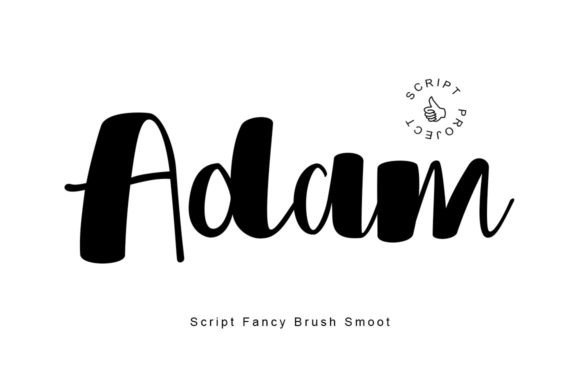
When you first encounter Adam, you notice something different. It's not just another script font—it's a carefully crafted balance between traditional calligraphy and contemporary design. The letterforms carry the fluidity of handwritten typography but with cleaner lines and more deliberate spacing than you'd find in purely classic scripts. This duality makes Adam feel both familiar and fresh, like a well-loved book reprinted on premium paper.
The visual character of Adam sits in an interesting space. It has the warmth and personality of handwritten fonts but avoids looking messy or overly casual. The strokes vary naturally in weight, creating that authentic hand-lettered feel, but the overall composition remains readable and structured. This makes it a versatile creative font that doesn't sacrifice legibility for style.
Where Adam Fits in Real Projects
In my experience working with clients across different industries, I've found that fonts like Adam work exceptionally well in specific contexts. For logo design, particularly for brands wanting to convey approachability with sophistication, Adam offers that perfect middle ground. A boutique bakery, a personal coaching service, or a handmade goods shop could use this typeface to establish a brand identity that feels personal yet professional.
Editorial designers will appreciate Adam's potential in publishing work. Think chapter headings in lifestyle magazines, pull quotes in blog layouts, or title treatments for book covers. The font's modern calligraphy style adds visual interest without overwhelming body text set in a clean sans serif font or traditional serif font.
For packaging design, Adam brings that artisanal quality many brands seek today. Product labels, gift tags, thank-you cards, and promotional materials benefit from its handwritten aesthetic. I've seen similar script fonts transform ordinary packaging into something that feels crafted and intentional—exactly the impression most small business owners want to make.
Digital applications deserve attention too. Social media graphics featuring Adam can stand out in crowded feeds, especially when paired thoughtfully with simpler typefaces. The font works beautifully for quotes, announcements, and branded content where personality matters. Website headers and landing page elements set in Adam can guide visitors' eyes while establishing a distinct visual tone.
How the Right Script Font Influences Your Design
Typography shapes perception in ways many people don't consciously recognize. A premium font like Adam doesn't just display words—it communicates values. The handwritten quality suggests authenticity and human touch, while the refined execution signals attention to detail. For entrepreneurs and content creators, this combination can strengthen brand identity and build audience trust.
Consider visual hierarchy in your layouts. Adam naturally draws attention because of its distinctive style, making it ideal for headlines, subheadings, or accent text. Pairing it with a neutral body font creates clear reading paths that guide audiences through your content logically. This balance between expressive display type and functional text is fundamental to effective modern typography.
Readability remains crucial, even with decorative fonts. Adam performs well at medium to larger sizes, which is typical for display fonts. At very small sizes, some script fonts lose clarity, so I'd recommend using Adam strategically rather than for extended paragraphs. Test your specific applications—what works on a business card might need adjustment for a billboard.
Working with Adam's OpenType Features
What makes Adam particularly useful as a design asset is its OpenType functionality. The font includes stylistic alternatives and contextual alternates, giving you control over how letters connect and appear. These features let you customize the typography to suit specific projects, avoiding that "off-the-shelf" look that generic fonts often produce.
To access these alternatives, you'll need software supporting OpenType features. Adobe Illustrator, InDesign, and recent versions of CorelDRAW handle this well. Even Microsoft Word 2010 and later versions support basic OpenType features, which is helpful for small business owners creating their own marketing materials without professional design software.
I'd suggest spending time exploring the alternate characters when you first start using Adam. Mix and match letter combinations to see how different options affect the overall texture of your text. Sometimes a subtle swap—a different lowercase 'g' or 's'—can make a headline feel more dynamic or better suited to your specific brand identity.
Practical Considerations for Choosing Adam
Before committing to any creative font, evaluate whether it aligns with your project's goals. Adam works best when you want warmth, personality, and a handcrafted aesthetic. If your design requires strict geometric precision or ultra-modern minimalism, a different typeface might serve you better. Understanding context prevents mismatched typography that confuses your audience.
Test font pairings before finalizing designs. Adam typically pairs well with clean sans serif fonts for contrast, though it can also complement certain serif typefaces depending on the mood you're creating. Create sample layouts at actual sizes to assess how the combination reads. What looks harmonious in a font preview might feel different in a complete composition.
Review the full character set and included styles. Adam comes in OTF and TTF formats, ensuring compatibility across different systems and applications. Check that all the characters you need are available—extended language support, numerals, punctuation, and special characters matter for professional applications. Missing glyphs can create frustrating production issues later.
For commercial projects, verify licensing terms carefully. Most premium fonts include licenses covering specific uses—desktop, web, app, or server installations. Adam's licensing should clarify whether your intended application falls within permitted use. When in doubt, contact the foundry directly rather than assuming. Proper licensing protects your business and supports the designers creating these valuable design assets.
Finally, remember that even the best font is just one element in successful design. Adam provides an excellent foundation for projects needing that handwritten, modern calligraphy aesthetic, but thoughtful implementation—considering spacing, color, imagery, and overall composition—determines whether your design truly connects with its intended audience. Use it as a tool to enhance your creative vision, not as a shortcut to replace thoughtful design strategy.